Zakat , Sadaqah ...

Islamic Giving

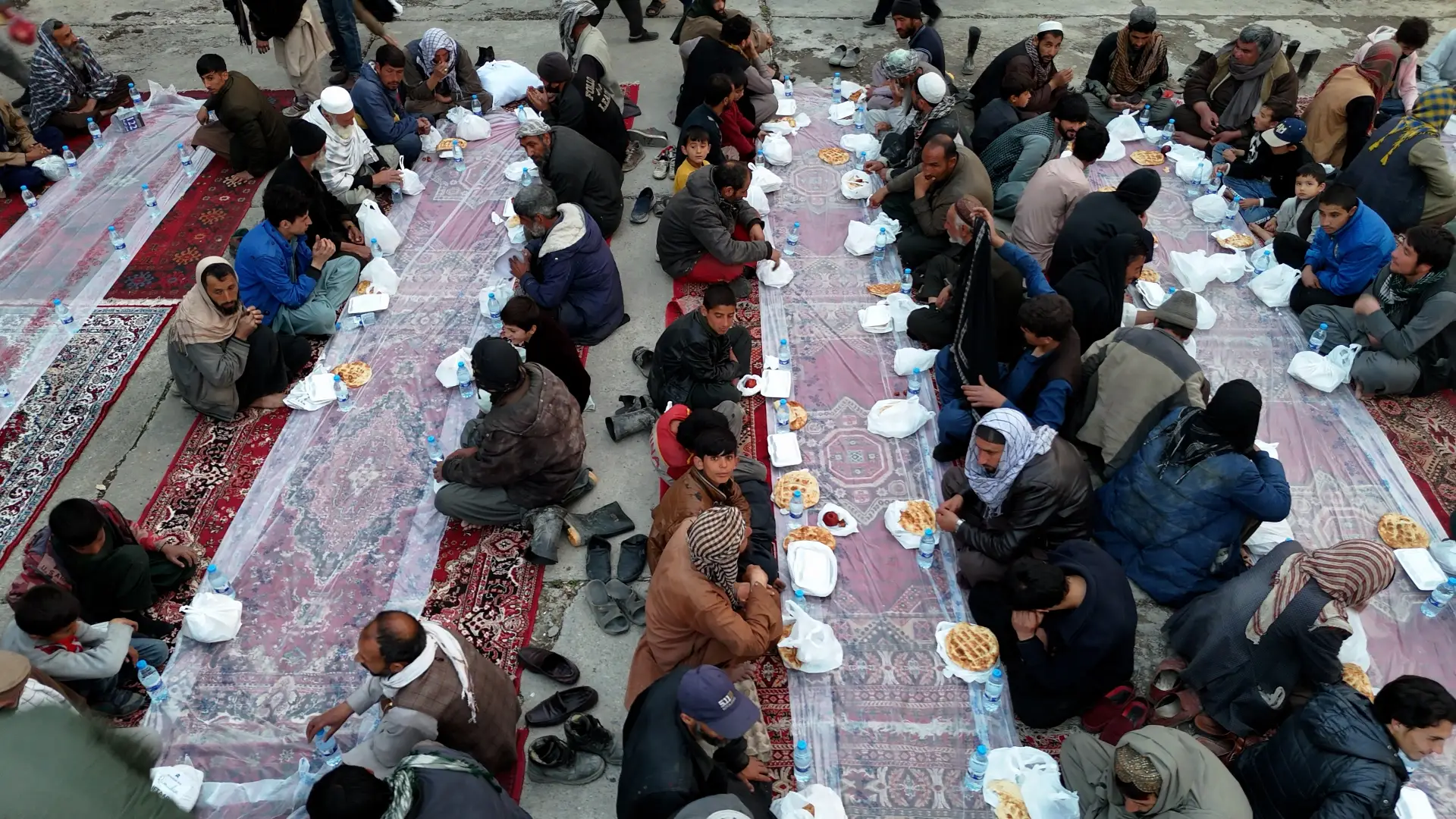
At Mezan Charity Foundation, we provide structured and Shariah-compliant channels for your Islamic charitable giving. Your contributions are distributed with transparency, accountability, and care to the most vulnerable communities.

What is Zakat?

Zakat is an obligatory charity and one of the five pillars of Islam. It must be distributed to eligible recipients as defined in the Qur’an (9:60).

How We Distribute Zakat

100% of Zakat funds are allocated strictly according to Islamic guidelines.

Zakat May Support:

  • Orphan sponsorship (food, clothing, education)
  • Widows and female-headed households
  • Emergency medical treatment for the poor
  • Food distribution in rural areas
  • Winter aid (blankets, heating support)
  • Rental assistance for displaced families
  • Support for disabled individuals without income
Sadaqah Jariyah (Ongoing Charity)

Sadaqah Jariyah is continuous charity that benefits people long-term, and its reward continues even after death.

Education Projects:

  • Sponsor a student for one year
  • Provide Madrasa/school supplies
  • Madrasa teachers’ salary sponsorship
  • Masjid Imams’ salary sponsorship
  • Islamic education programs

Orphan Support:

  • Monthly food program
  • Clothing distribution
  • Skills training for older orphans

Water Projects:

  • Water wells
  • Hand pumps
  • Water tanks

Construction Projects:

  • Build a Madrasa
  • Build a Masjid
  • Build orphan dormitory rooms
  • Build sanitation facilities
  • Support clinic construction

Zakat al-Fitr (Fitrana)

Zakat al-Fitr is a compulsory charity given before Eid al-Fitr to purify one’s fast. It must be paid on behalf of each family member before Eid prayer.

Distribution Methods:

  • Food packages
  • Cash assistance to needy families
  • Eid clothing for orphan children

Special Programs:

  • Sponsor 1 Family for Eid
  • Feed 5 Families Before Eid
  • Eid Happiness Package

What is Aqiqah?

A Sunnah sacrifice performed upon the birth of a child:

  • Two animals for a boy
  • One animal for a girl

Aqiqah Options:

  • Goat (single share)
  • Sheep (single share)

What We Provide:

  • Slaughter according to Islamic guidelines
  • Distribution to poor families
  • Du’a for the child
  • Photo/report confirmation (upon request)
  • Distribution in most needy areas

Optional: Combine Aqiqah with additional Sadaqah for wider impact.

What is Fidyah?

Fidyah is paid by those who cannot fast due to chronic illness or old age and cannot make up missed fasts later. One poor person must be fed for each missed fast.

Fidyah Packages:

  • 1 missed fast
  • 10 missed fasts
  • Full Ramadan (30 meals)
  • Sponsor daily meals during Ramadan

Distribution Areas:

  • Orphanages
  • Rural food distribution

What is Kaffarah?

Kaffarah is required when a fast is intentionally broken without valid reason. It requires feeding 60 poor people (or fasting 60 consecutive days if able).

Kaffarah Options:

  • Feed 60 individuals (complete Kaffarah)
  • 60 cooked meals
  • 60 food baskets

Distribution Methods:

  • Community meal programs
  • Widows and orphan households
  • Ramadan food kitchens

What is Waqf?

Waqf is a permanent charitable endowment. The original asset remains, and its benefits continue serving the community.

Waqf Project:

  • Build a Madrasa
  • Build a Masjid
  • Build orphan dormitory rooms
  • Construct water wells
  • Install solar systems
  • Build sanitation facilities
  • Support clinic construction

What is Qurbani?

Qurbani is the sacrifice of an animal during Eid al-Adha, following the Sunnah of Prophet Ibrahim (AS). It is performed to show gratitude to Allah and to share blessings with the needy.

Qurbani Options:

  • Sheep / Goat (single share)
  • Cow / Camel (divided into 7 shares)
  • Large community Qurbani (distributed to hundreds of needy families)
  • Corporate or group Qurbani sponsorship

How We Distribute Qurbani:

  • Meat distributed to the most vulnerable communities, including orphans, widows, and poor families
  • Portions reserved for the donor’s family if requested
  • Full transparency: photos/reports of distribution provided upon request
  • Distribution in rural and urban areas where help is most needed

Frequently Asked Questions

Zakat is mandatory for every adult Muslim who possesses wealth above the Nisab threshold for one lunar year. This includes savings, gold, silver, and other eligible assets.

The Nisab is the minimum amount of wealth a Muslim must have to be eligible to pay Zakat. It is equivalent to the value of 87.48 grams of gold or 612.36 grams of silver.

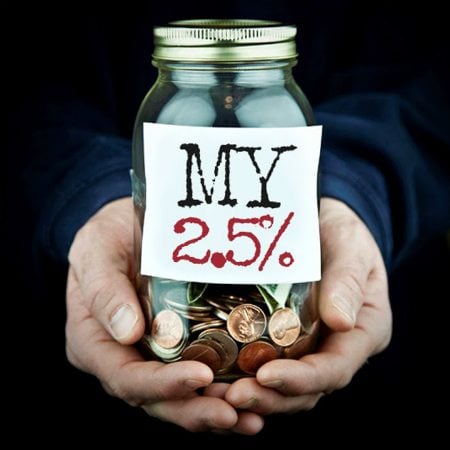
Zakat is calculated at 2.5% of one’s eligible wealth, including savings, investments, gold, silver, and business profits.

Zakat can be given to specific groups outlined in Islamic teachings, such as the poor, needy, orphans, widows, debt-ridden individuals, and those striving in the path of Allah.

Zakat is typically paid once a year. Many Muslims choose to give Zakat during Ramazan for its increased spiritual reward, but it can be given at any time during the year.

Ramadan Kareem photography, Lantern with crescent moon shape on the beach with sunset sky, 2024 Eid Mubarak  greeting background
Scroll to Top